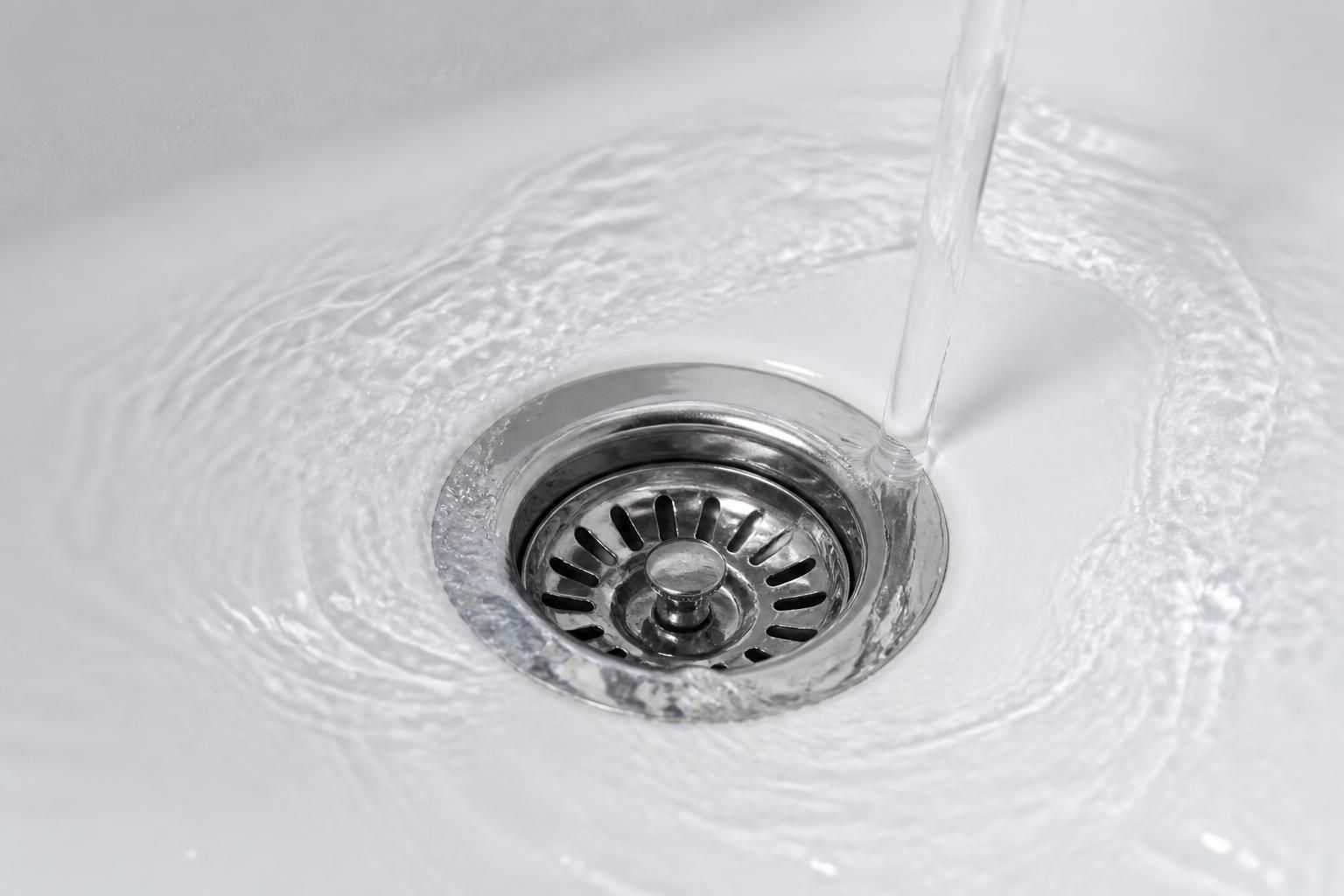
A sink that takes ages to empty, a shower tray filling up around your feet, or a toilet that gurgles after every flush can turn a normal day into a stressful one. When a drain blocks, it rarely stays a small inconvenience for long, and the sooner it is dealt with, the less disruption it can cause at home.
If you are dealing with a blocked drain at a property across Reading, Berkshire, Gordon's Heating And Plumbing can help get it sorted without the hassle of passing messages around. We speak directly with you, look at the symptoms, and move quickly to clear the blockage so you can get back to normal use of your sinks, toilets, baths, or outside drains.
Some blockages build slowly, giving you a few clear warnings before the drain stops altogether. Spotting those signs early can save you from overflows, unpleasant smells, and water backing up into the wrong place.
If you notice one or more of these signs at your property, it is worth getting the drain looked at before the problem spreads to other fixtures.
Blocked drains do not usually appear out of nowhere. They tend to build up over time, especially where waste, grease, hair, or paper collect in bends and junctions. Understanding the likely cause helps make sense of why a quick plunge or bottle of cleaner may not solve the problem for long.
Cooking oils, food scraps, and soap residue can coat the inside of pipework and narrow the passage for water. Once that layer starts catching more debris, the blockage can grow fast.
Hair, soap, wipes, and too much toilet paper are common reasons for blocked bathroom drains and toilets. These materials can tangle together and create a stubborn clog that sits deeper than the plughole.
Leaves, soil, and general debris can gather in external drains and gullies, especially where water carries waste toward the same outlet. When that happens, water may have nowhere to go and can start pooling near the property.
At Gordon's Heating And Plumbing, we aim to diagnose the blockage clearly and clear it with the least disruption needed for the job. The right approach depends on where the blockage sits, how severe it is, and what type of drain is affected.
Because no two blockages behave the same way, the process is always guided by what the drain is telling us rather than by guesswork.
If a drain starts to back up, small actions can help reduce the mess while you wait for help. The goal is to avoid making the blockage worse or pushing waste further into the pipework.
These steps are not a fix, but they can make the situation easier to manage until we arrive.
Drain blockages show up differently depending on where they start. A sink that empties slowly may point to local build-up close to the trap, while a toilet that struggles after flushing can suggest a deeper restriction. Bathrooms and kitchens also tend to collect different types of waste, so the signs often tell us a lot before we start work.
Grease, food particles, and soap residue can build into a stubborn layer inside the pipe. If your sink sounds as though it is draining reluctantly or starts to back up after washing up, the blockage may be sitting just beyond the plughole or further along the waste line.
Toilets, basins, and showers can be affected by paper, wipes, hair, and soap scum. A toilet that swirls slowly, a basin that empties at a crawl, or a shower that leaves standing water are all signs that the drain needs attention.
Outdoor drain points often get overlooked until water begins to collect or unpleasant smells drift up from the cover. External blockages can affect drainage around the property and may lead to overflow if they are left too long.
We can help with outside drain blockages across Reading, Berkshire, RG31 5, including drains that are holding water, filling with debris, or causing nearby gullies to back up. If a drain cover looks wet when it should be dry, or you can hear water moving unevenly below ground, that is a sign something may be restricting the line.
It is worth dealing with outdoor issues quickly because standing water can become messy and can make everyday access around the home more awkward.
People often put off calling because they are unsure what will happen when someone comes to unblock a drain. The process is usually straightforward, and the aim is to keep it clear and practical from the first conversation through to the final check.
When you contact Gordon's Heating And Plumbing, you can explain what you are seeing, whether it is a slow sink, backed-up toilet, or an outside drain problem. We will ask a few direct questions so we understand the likely source and can arrive ready to deal with the blockage.
Once on site, we assess the affected drain, clear the obstruction, and confirm that waste water is moving away as it should. If the blockage is part of a wider recurring issue, we will tell you what we found so you have a clearer picture of the problem.
Drain blockages need a direct response, especially when they start affecting more than one fixture. Gordon's Heating And Plumbing works across Reading, Reading, Berkshire and nearby areas including Wokingham, Bracknell, Slough, Newbury, Maidenhead, Windsor, Basingstoke, Oxford, Didcot, Thatcham, and Henley-on-Thames.
That means you do not have to keep searching for a different contact every time the drain acts up. One call is enough to start the process, explain the issue, and arrange the right next step.
If your drain is backing up, smelling bad, or leaving water where it should not be, call +07724692224 or email heatingbygordons@gmail.com and we will take it from there.
The earliest signs are usually slow drainage, gurgling sounds, and unpleasant smells around sinks, toilets, or outside drain covers. These warnings often appear before a full blockage develops.
Yes. If the blockage is further along the waste line, more than one sink, bath, or toilet may start showing symptoms at the same time.
Repeat blockages can happen when the original cause was not fully removed or when waste continues to build up at the same point in the pipework.
They can be. Outdoor drains often collect leaves, soil, and debris, so the source of the blockage may be different from a kitchen or bathroom line.
Stop using the affected fixture and avoid adding more water. Rising water usually means the blockage is too tight for normal use to continue safely.
Yes. We work across Reading, Berkshire and also cover surrounding locations such as Reading, Wokingham, Bracknell, Slough, Newbury, Maidenhead, Windsor, Basingstoke, Oxford, Didcot, Thatcham, and Henley-on-Thames.

Need Help Now?
Describe the problem, and Gordon will help you work out the next step for your boiler, heating, drain, or plumbing issue.