If you have damp patches, a sudden drop in pressure, or a meter that keeps moving, a hidden leak may already be spreading. Small signs can turn into stained plaster, lifting floors, and wasted water if they are ignored.
Gordon's Heating And Plumbing helps homeowners and landlords across Reading, Berkshire track down leaks without guesswork. We look for the source, explain what is happening clearly, and move you toward a practical repair path before the problem gets worse.
Some leaks are obvious, but many start behind walls, under floors, or near fittings where they stay out of sight for a long time. The first clue is often not a puddle at all, but a change you notice elsewhere around the property.
If any of these signs are showing up at your property, it is worth getting the source checked before decoration, flooring, or plasterwork is affected further.
Leaks do not always start where the damage appears. Water can travel along beams, pipe runs, or voids before it shows itself, which is why the visible stain is often not the actual starting point.
Joints can loosen or wear over time, especially around older fittings, repairs, or areas that have been disturbed. A tiny seep at a joint may take a while to become visible.
Washing machines, dishwashers, and similar fittings can develop leaks at their supply or waste connections. These often show up as dampness near cupboards, floors, or adjacent walls.
Toilets, taps, showers, and bathroom plumbing can all leak at seals, trap connections, or pipe joints. Sometimes the first sign is staining rather than a visible drip.
Leaks linked to central heating can appear as pressure loss, damp near pipe routes, or staining around radiators and valves. If the system keeps needing attention, hidden water loss may be part of the problem.
At Gordon's Heating And Plumbing, we focus on locating the source with a calm, methodical approach. That means looking at the symptoms you can see, then narrowing down where the water is actually escaping.
This approach saves time and avoids unnecessary disturbance. It also helps you make better decisions about the repair because the source is identified before work starts.
When we arrive at a property across Reading, Berkshire, we look at the problem area first, then work outward to build a picture of where the water is coming from. If the leak has already caused visible damage, we take that seriously and use it as part of the diagnosis.
If safe to do so, note where you first saw the problem, when it changed, and whether any fixtures were used just before it appeared. Even small details can help narrow the source.
We inspect the suspected area, check nearby fittings, and look for signs that point to active or intermittent leakage. You will know what we are checking and why, rather than being left guessing.
We explain the likely cause and what should happen next. In some cases that means a focused repair at a joint or fitting. In others, it means planning work around pipework, heating parts, or bathroom plumbing.
Many leaks first show up where water is used every day. Bathrooms and kitchens combine several supply points, waste routes, and fittings, so small faults can remain hidden until damage starts to spread.
A toilet that rocks, refills oddly, or leaves moisture around its base can be leaking at a seal or connection. A tap drip may seem minor, but if it continues, it can stain surfaces and waste water.
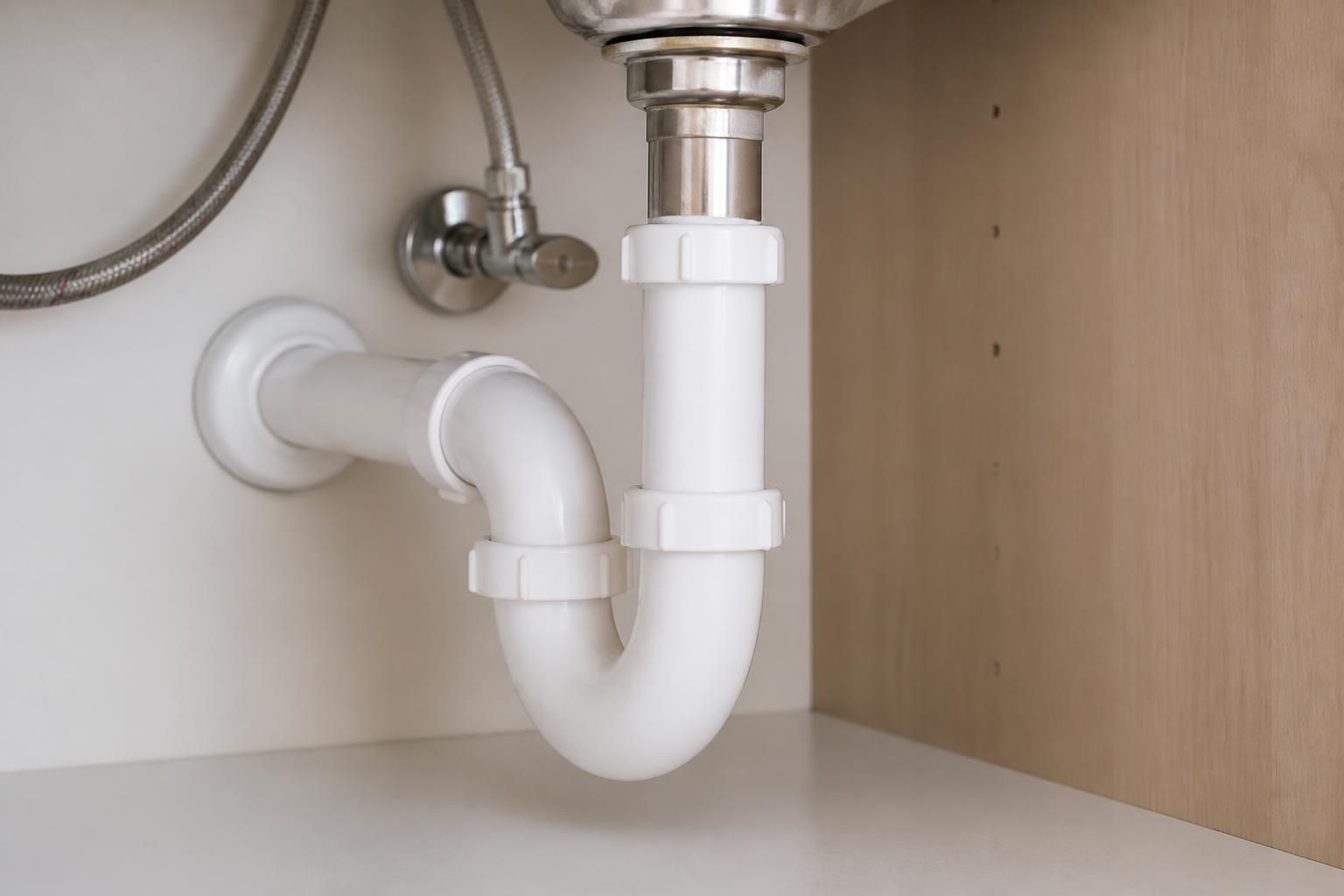
Cabinets can hide slow leaks for a long time. Look for warped boards, peeling materials, or a smell that gets stronger after using the sink.
Showers, basins, and bath connections can leak where pipework meets fittings. If damp appears outside the bathroom, the source may still be inside the room.
Not every leak comes from a visible tap or waste pipe. Central heating pipework can lose water through joints, valves, or hidden sections, and the signs may appear elsewhere.
Heating leaks deserve prompt attention because they can affect both comfort and the condition of the property. Heating By Gordons helps identify where the loss is happening so the next repair step is clear.
While waiting for a visit, a few sensible steps can help limit further damage. These are simple actions, not a fix, but they can protect flooring, decoration, and nearby fittings.
Do not rely on surface drying alone. Water often travels beyond the place where it first appears, so the visible patch may be only part of the story.
We work across Reading and the surrounding area, covering Reading, Berkshire and nearby locations such as Wokingham, Bracknell, Slough, Newbury, Maidenhead, Windsor, Basingstoke, Oxford, Didcot, Thatcham, and Henley-on-Thames. Homeowners and landlords contact us when they need a leak tracked down before it causes more disruption.
Because we are direct to the engineer, you speak to the person who understands the fault, not a call centre passing notes back and forth. That makes it easier to describe what you are seeing and get straightforward help.
If you need Leak Detection from Gordon's Heating And Plumbing, call +07724692224 or email heatingbygordons@gmail.com. We are open Monday to Friday, 09:00 to 17:00.
Stains, damp smells, pressure loss, and meters that move when nothing is running are common clues. Sometimes the first sign is a change in how a room feels rather than visible water.
Yes. Water can travel along pipework, joists, or internal spaces before it becomes visible. That is why the stain or damp patch may not be where the leak started.
Yes. Toilets, taps, basins, showers, and under-sink areas are all common places for leaks to develop. We inspect them carefully when the symptoms point that way.
Yes. Pressure loss, staining near valves, or damp around floors can suggest a leak even when there is no standing water. Heating leaks often show themselves through patterns rather than puddles.
Tell us where you noticed the problem, how long it has been there, whether it changes after using a fixture, and if any pressure or staining has worsened. Those details help narrow the search.
Yes. We help landlords and property owners across Reading, Berkshire and surrounding areas with leak tracing for homes, flats, and rental properties.

Need Help Now?
Describe the problem, and Gordon will help you work out the next step for your boiler, heating, drain, or plumbing issue.